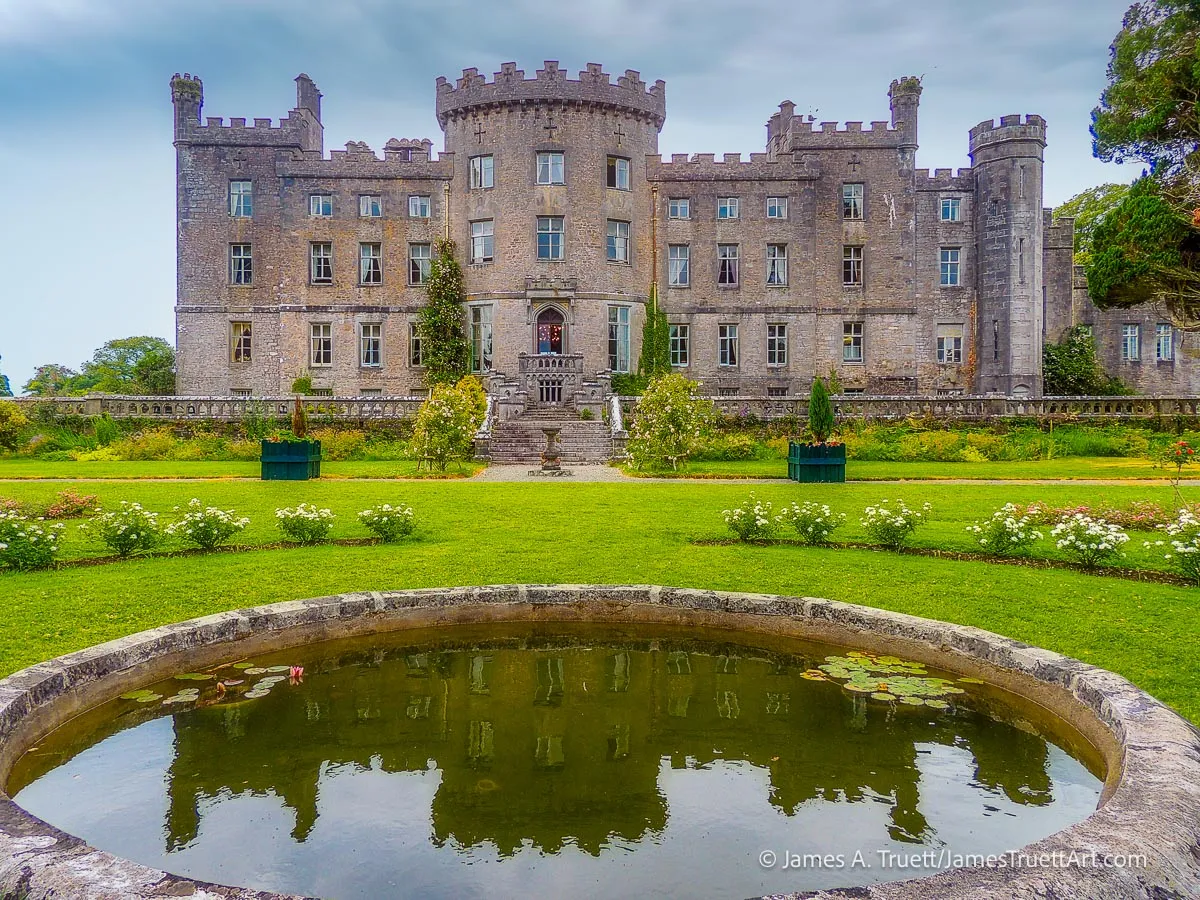
Markree Castle: A Surprise Stay with My Son
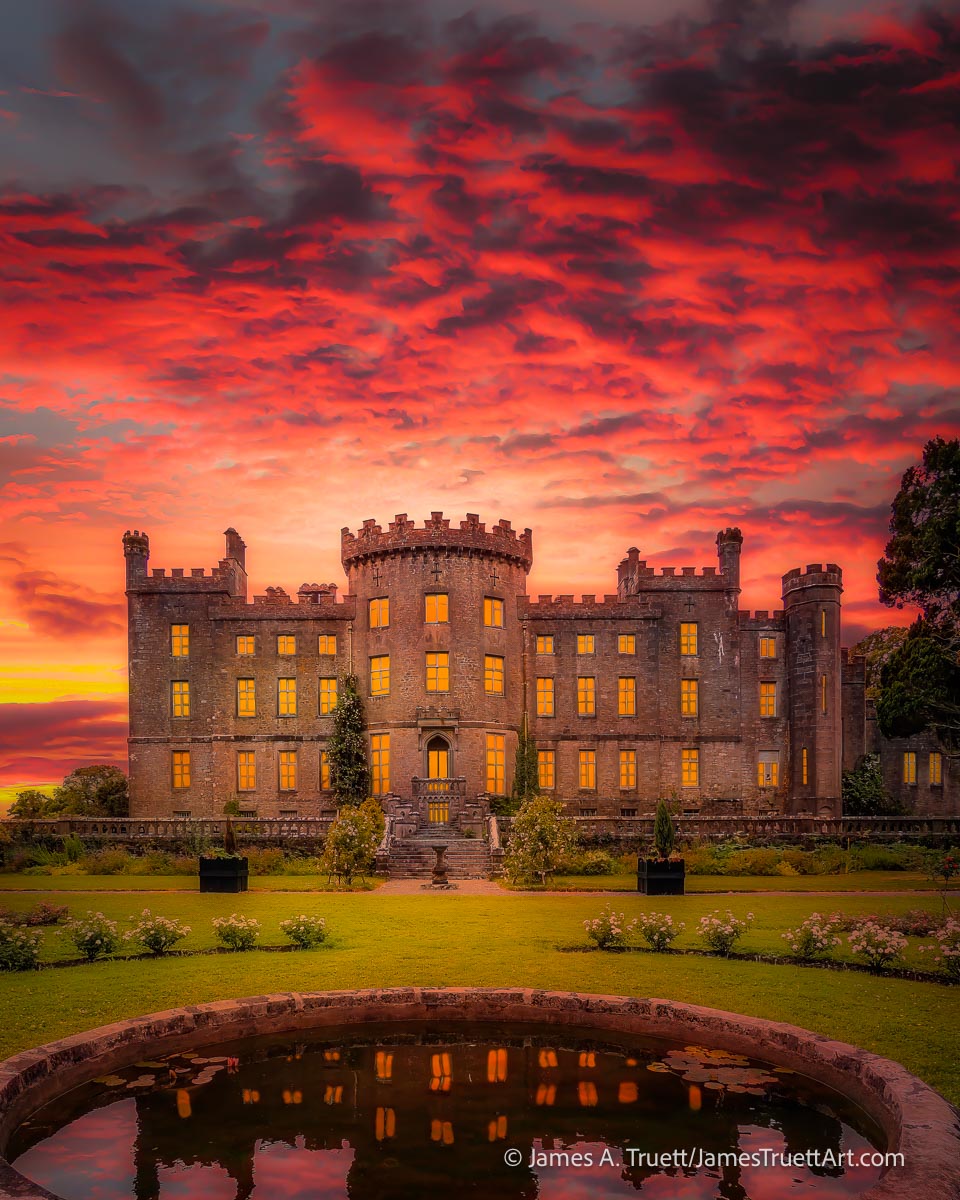
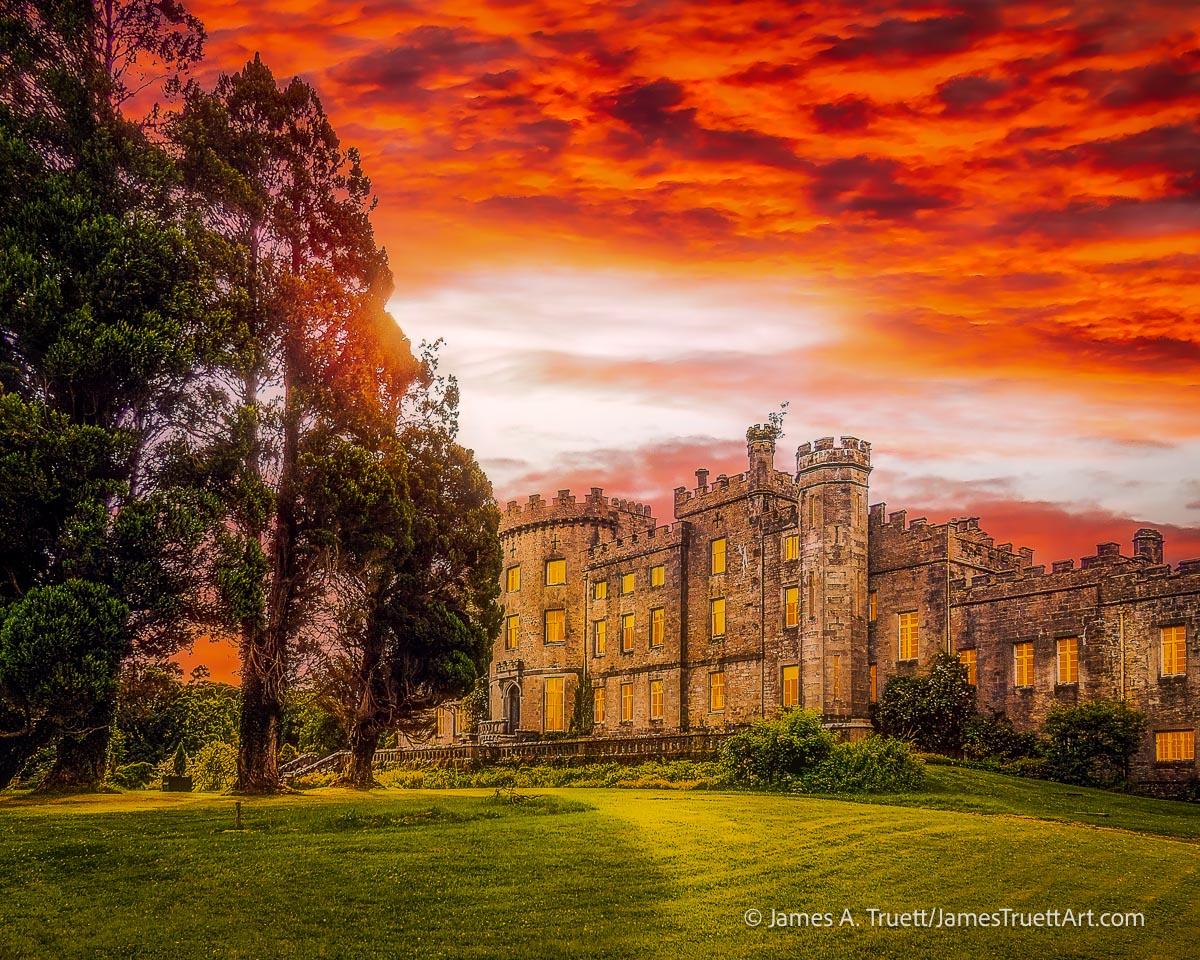
In 2013, while my son Alberto was visiting me from Mexico, I surprised him with a couple of nights at Markree Castle in County Sligo. I wanted him to have the experience of staying in a real Irish castle. For a lad who had grown up in rural Mexico, it was quite a change of scenery.
The joy was in watching him take it all in. He was wide-eyed at the scale and character of the place, but he did not remain merely an admiring guest for long. Alberto had brought some of his college work with him, and the corner turret in our room soon became his private study. He settled in as if a castle turret were the most natural place in the world to open his laptop and get to work.
That remains one of my favourite memories of the visit: a young man from Mexico, perched in a turret in County Sligo, calmly carrying on with his studies.
Working in the Lap of Luxury
I had work to do as well, so before long we set up a small office in one of the castle's sitting rooms. There we were, father and son, laptops open amid sculpted ceilings, marble columns, old fireplaces, and the kind of surroundings that made an ordinary workday feel faintly ridiculous.
We were well looked after. At one point, a tower of tea cakes arrived beside our computers. I have worked from many places over the years, but few offices have come with a castle sitting room and tiered refreshments.
The dining room was another pleasure. The food was excellent, and we enjoyed a light conversation in Spanish with people at another table. That unexpected exchange added to the sense that we had stepped outside our normal lives for a few days. The castle was grand, certainly, but the moments I remember most clearly are human ones: shared work, shared meals, a familiar language heard in an unfamiliar place, and the delight of seeing my son enjoy it all.
A House Written in Layers
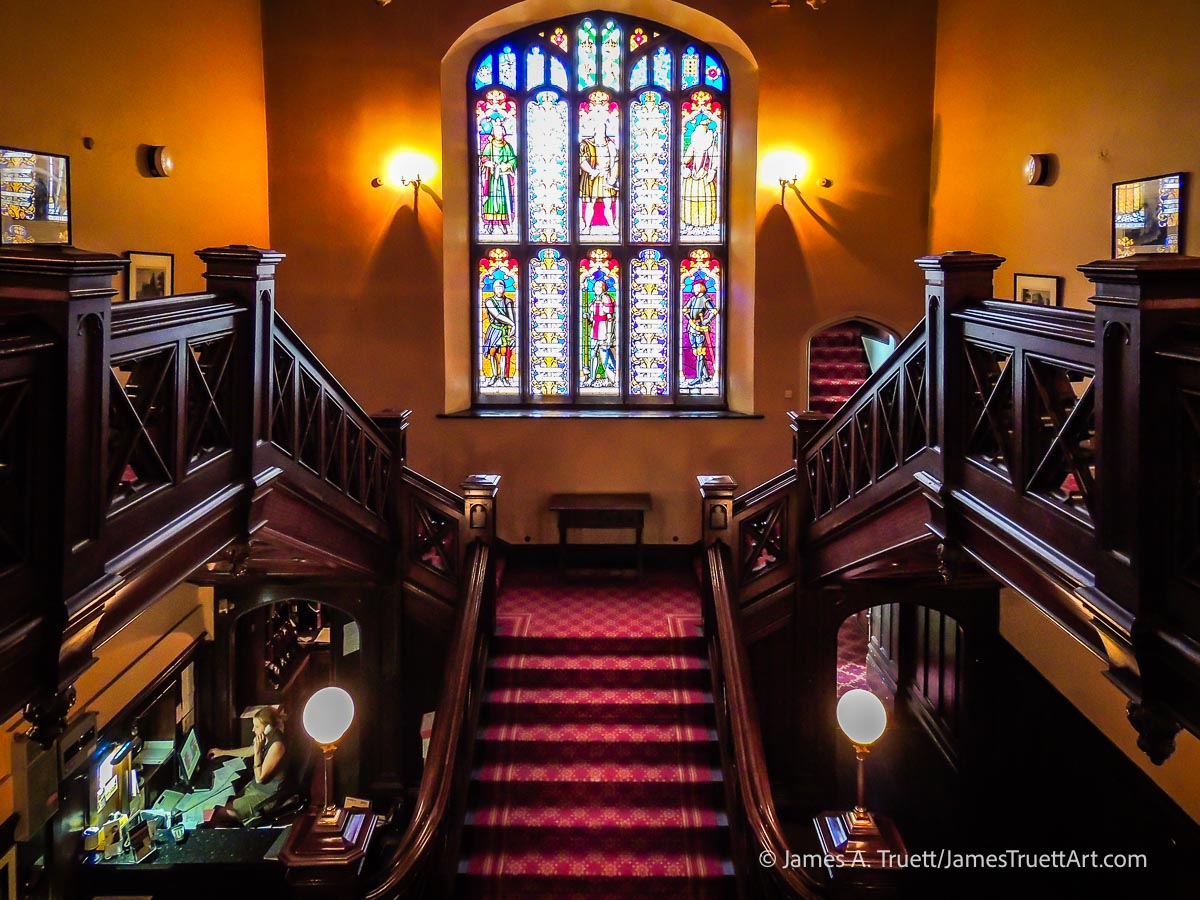
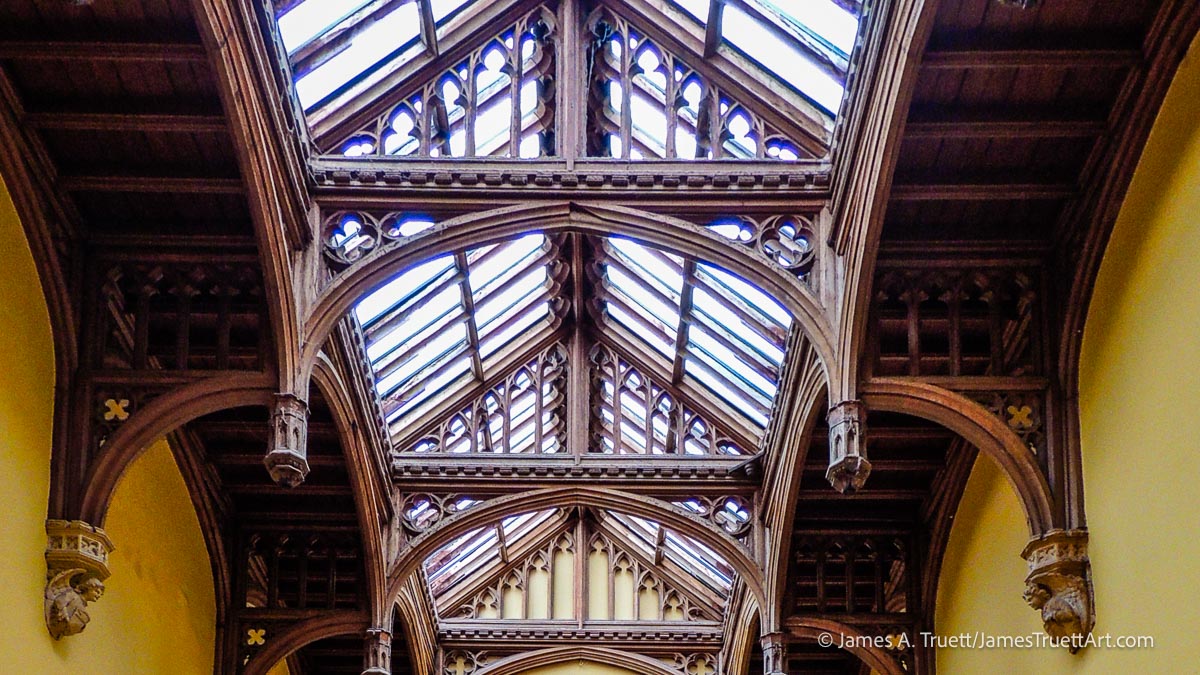
Markree's appearance encourages the imagination, but its history is more layered than the simple label of an ancient castle suggests. The Cooper family acquired the estate in the 17th century, when the site was described as a fort guarding a ford on the River Unshin. The present country house took shape around 1802 and was enlarged and remodelled in the Gothic Revival style around 1870. Its battlements, turrets, stained glass, and elaborate interiors came from several periods rather than a single medieval moment.
The estate also had a serious scientific life. Edward Joshua Cooper built an observatory there in the 1830s. Work carried out at Markree contributed to major star catalogues, and Andrew Graham discovered the asteroid Metis there in 1848. Even the weather made the record books: Markree recorded Ireland's lowest officially recognised air temperature, minus 19.1 degrees Celsius, on January 16, 1881.
By the time Alberto and I arrived, the castle had already survived decline and restoration. It has since changed owners again. The Corscadden family bought it in 2015, completed an extensive renovation, and reopened it in 2017 as part of the Romantic Castles of Ireland collection. The interiors have changed since our stay, but the memories belong to the place as we found it.
Flowers Where I Did Not Expect Them
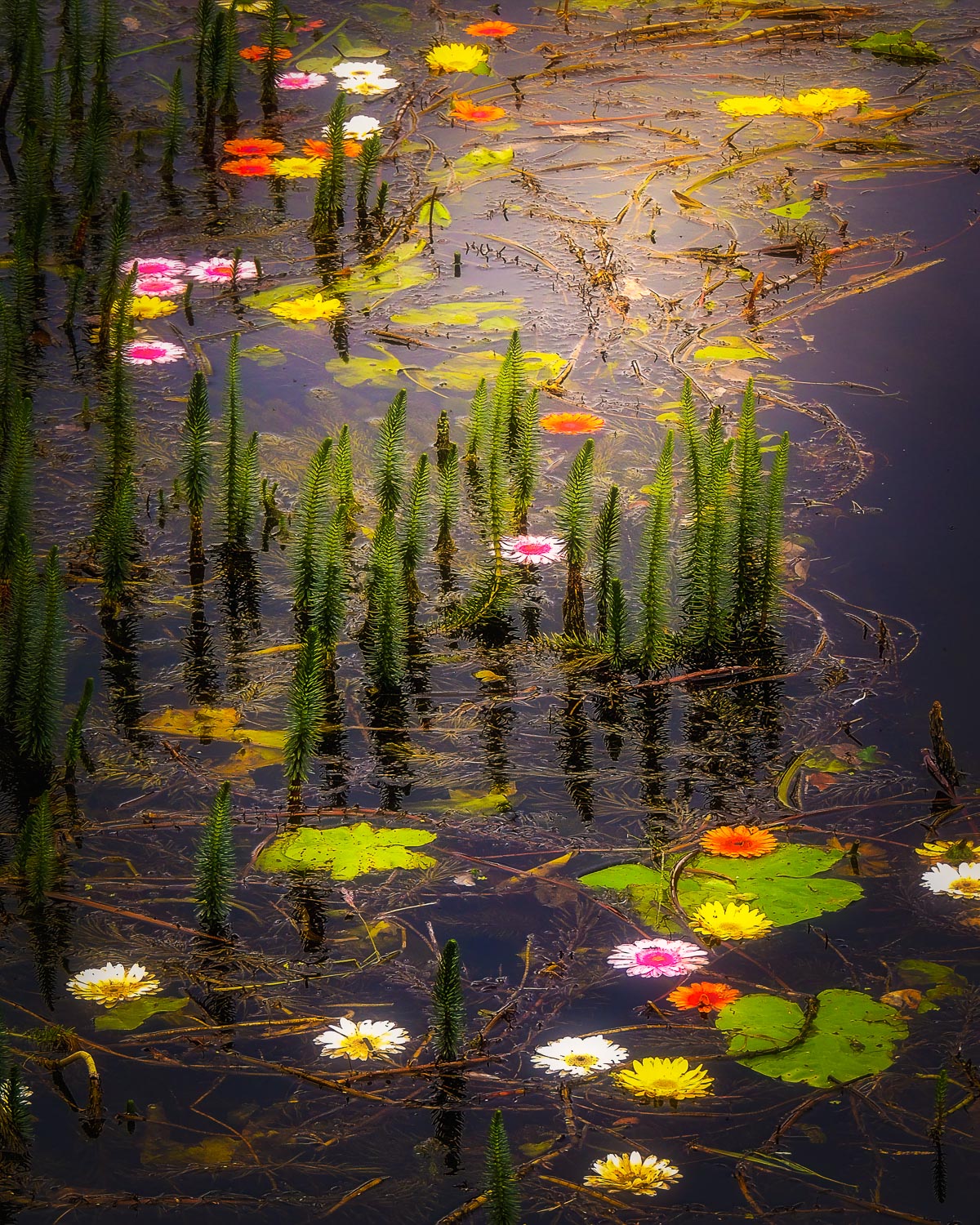
While walking the estate with Alberto, we followed the River Unshin where it passes the castle and forms what I understood as part of its moat. There, floating on the water, was a loose gathering of vivid flowers.
At first I thought they might be water lilies or some other flower growing naturally in the river. I stopped to photograph them. Their pinks, reds, oranges, and yellows drifted across the darker water, broken by reflections and the movement of the current. The scene had an impressionist quality, with colour seeming to float free of the solid world around it.
I later learned that they were cut flowers, apparently left in the water after a wedding. Archive notes identify them as Gerbera daisies. What looked like a small natural wonder was most likely temporary, accidental, and already on its way downstream.
That discovery did not make the scene less beautiful. If anything, it made the photograph more meaningful. The flowers were not arranged for me, and they would not remain there for the next visitor. Alberto and I happened upon them during one walk on one particular day. I was fortunate enough to notice them before they disappeared.
The Life of an Unexpected Image
The photograph became Flowers in the Castle Moat, one of my most popular and enduring images. Over the years, I have returned to its pastel colours and impressionist feel, and I have written about its connection in my mind to Claude Monet. The picture has travelled much farther than either Alberto or I could have imagined during that quiet walk.
The 1-of-1 NFT edition sold at auction in 2021 and is now held in a private collection in Montreal. In 2025, the image was exhibited at Nicoleta Gallery in Berlin, displayed inside a London Black Cab during the Frieze Art Fair period, and selected for an exhibition at Casa del Arte in Palma de Mallorca. A chance encounter beside a County Sligo river had found its way into galleries and public spaces across Europe. Exclusive Limited Edition Fine Art Prints are available here on my website.
The international journey is not what gives the image its deepest value for me. When I look at it, I return to the visit itself: Alberto studying in the turret, the two of us working in the sitting room, the tower of tea cakes, the Spanish conversation over dinner, and his delight at staying in an Irish castle.
The flowers lasted only briefly on the River Unshin. The photograph preserved them, but it also preserved something less visible: a few extraordinary days shared with my son. Beauty often appears without warning and without any intention of staying. The important thing is to notice when it arrives.