Budapest: Finding Beauty Along the Danube
My journey to Budapest began with a cancellation.
I had been invited to speak at an NFT and digital art conference there—my first international trip in more than a decade. The flights and hotel were booked when Hungary’s political climate caused sponsors to reconsider their involvement and the conference was called off.
The plane ticket was non-refundable, so I decided to use it.
After so many years close to home in Ireland, I was ready to step beyond the familiar again. With no conference schedule to follow and nowhere in particular I had to be, I was free to look.
A Room on the River
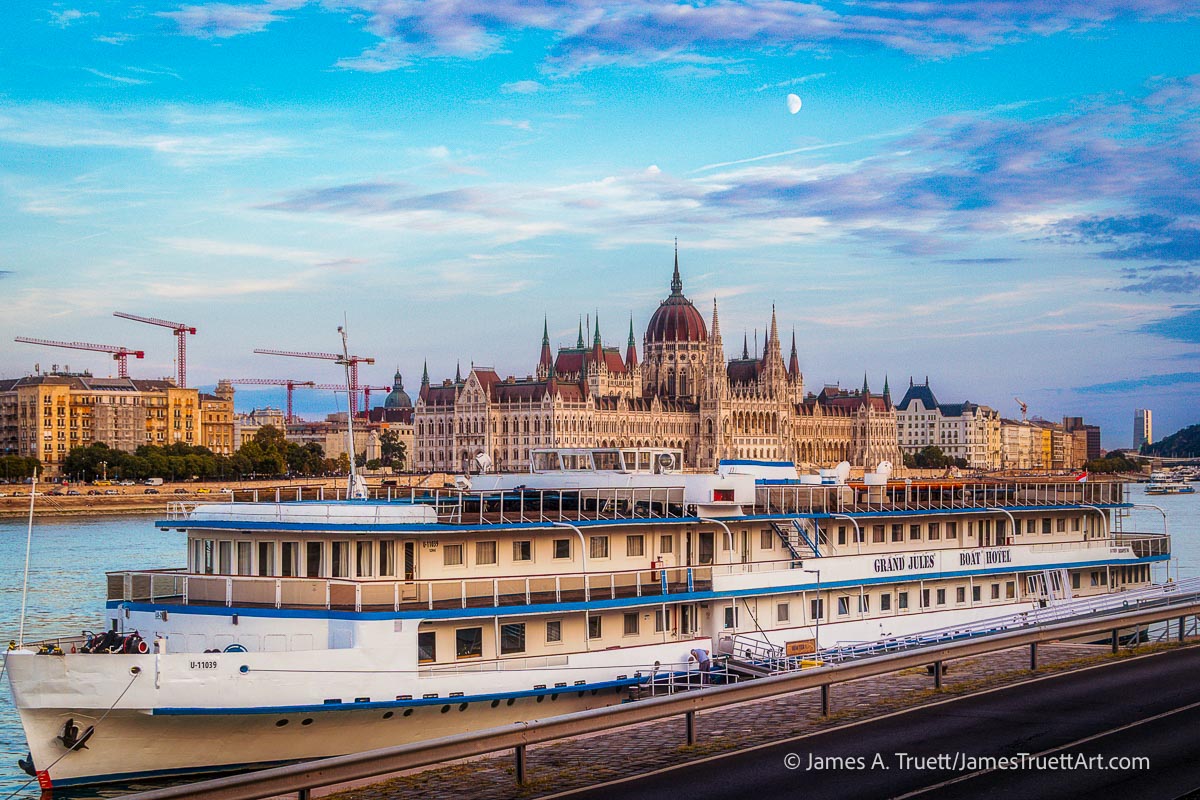
I traded the polished city-centre room I had reserved for something less expensive and far more atmospheric: the Grand Jules, a boat hotel moored on the Buda side of the Danube.
It sits near Margaret Bridge, directly across the water from the Hungarian Parliament Building. After dark, the Parliament and bridge are illuminated, their reflections stretching and breaking across the river.
Staying aboard brought back memories of my sailing days, although my cabin was considerably roomier than the vessels I once called my own. Even when a boat is firmly moored, the river gives a journey its rhythm.
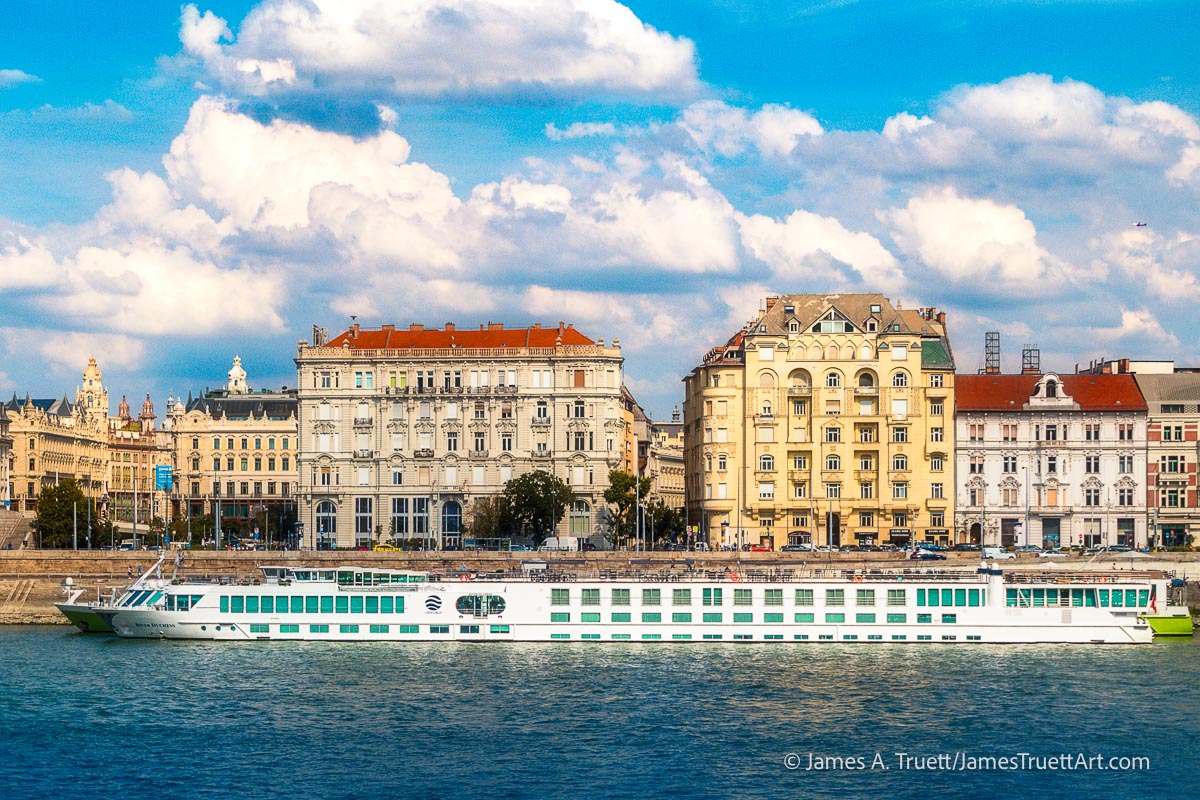
Budapest grew from the union of Buda, Pest and Óbuda in 1873, and the Danube still makes those identities visible. Buda rises into hills on one side; Pest spreads outward on the other. The bridges stitch them together.
Learning the City on Foot
I had not spent more than a day in a large city for many years. This country boy needed time to adjust to the engines, trams, voices and steady movement. Yet whenever the noise felt like too much, some visual detail pulled me back into curiosity.
The weather was another adjustment. Every day reached around 30°C—a dramatic change after Ireland’s gentler temperatures. Walking for hours in that heat required a slower pace, but it also made every patch of shade and little green space feel especially welcome.
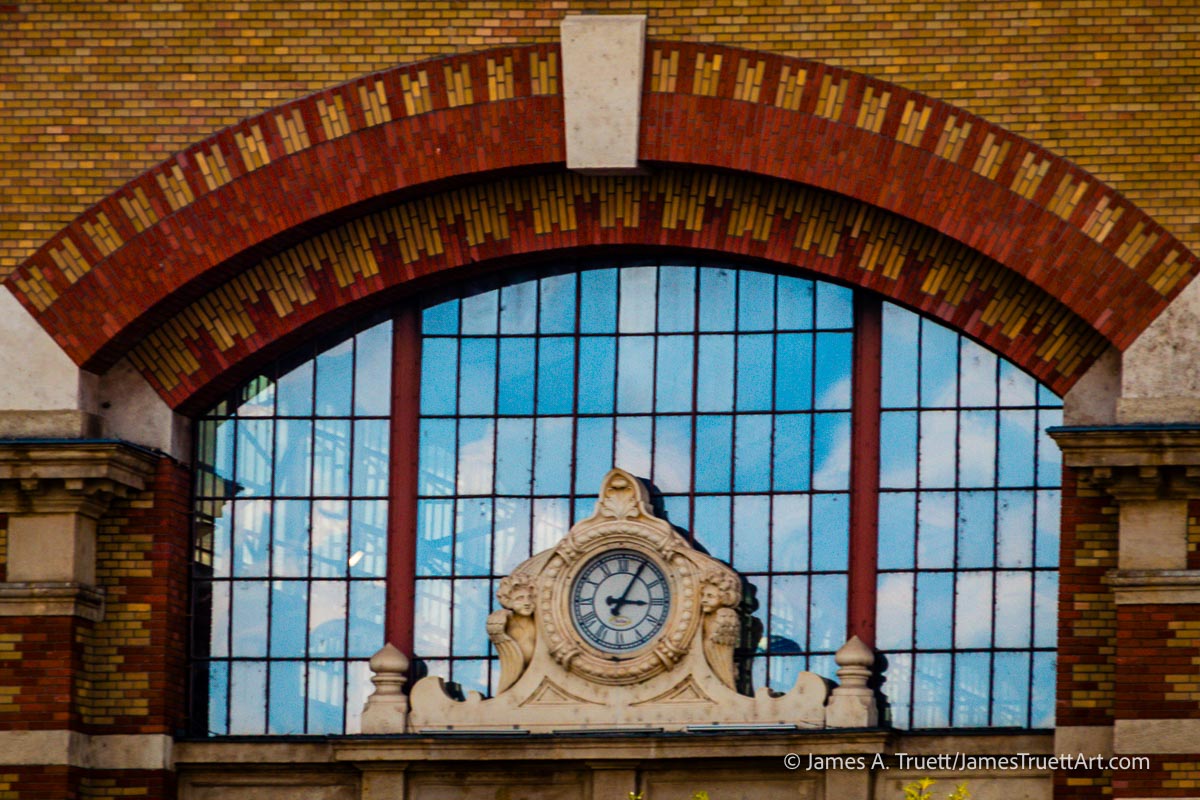
Budapest does not present a single architectural face. Classical façades stand near the weighty forms of the Communist era, while modern buildings insert glass and sharper lines between them. The construction boom around Hungary’s millennial celebrations in 1896 gave the city much of its imperial scale.
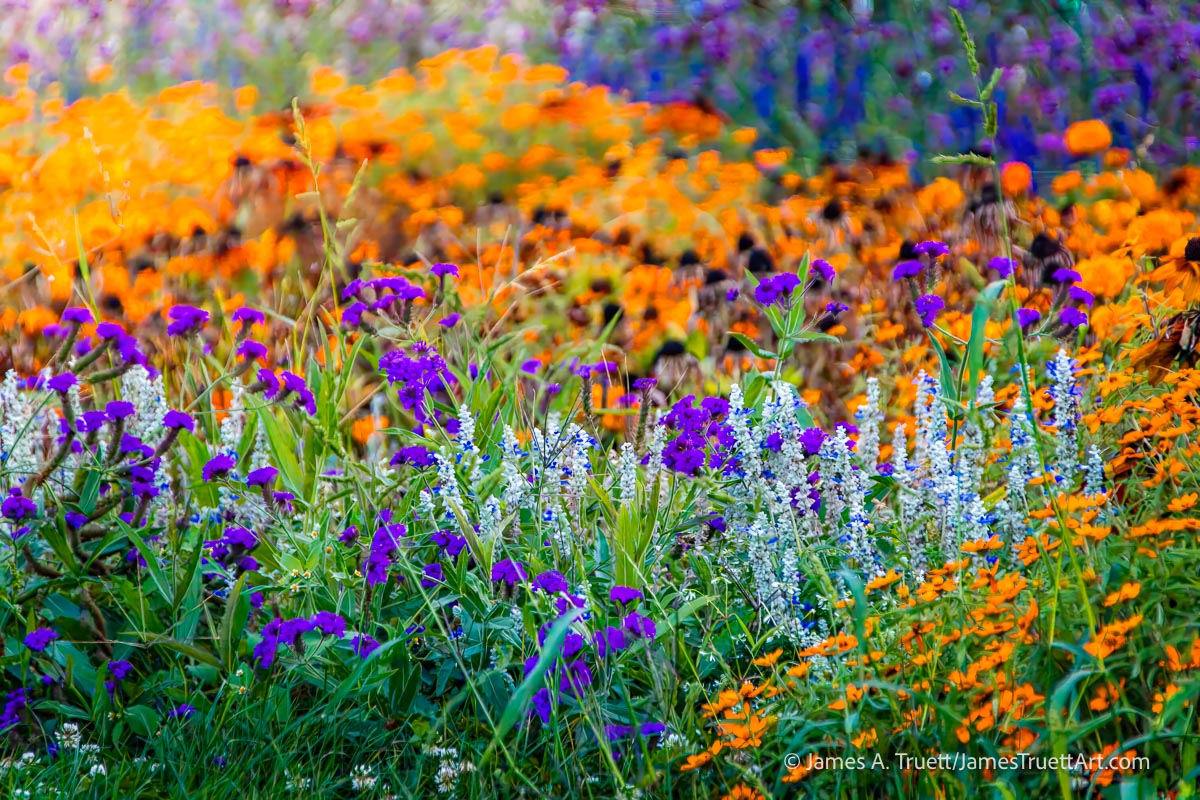
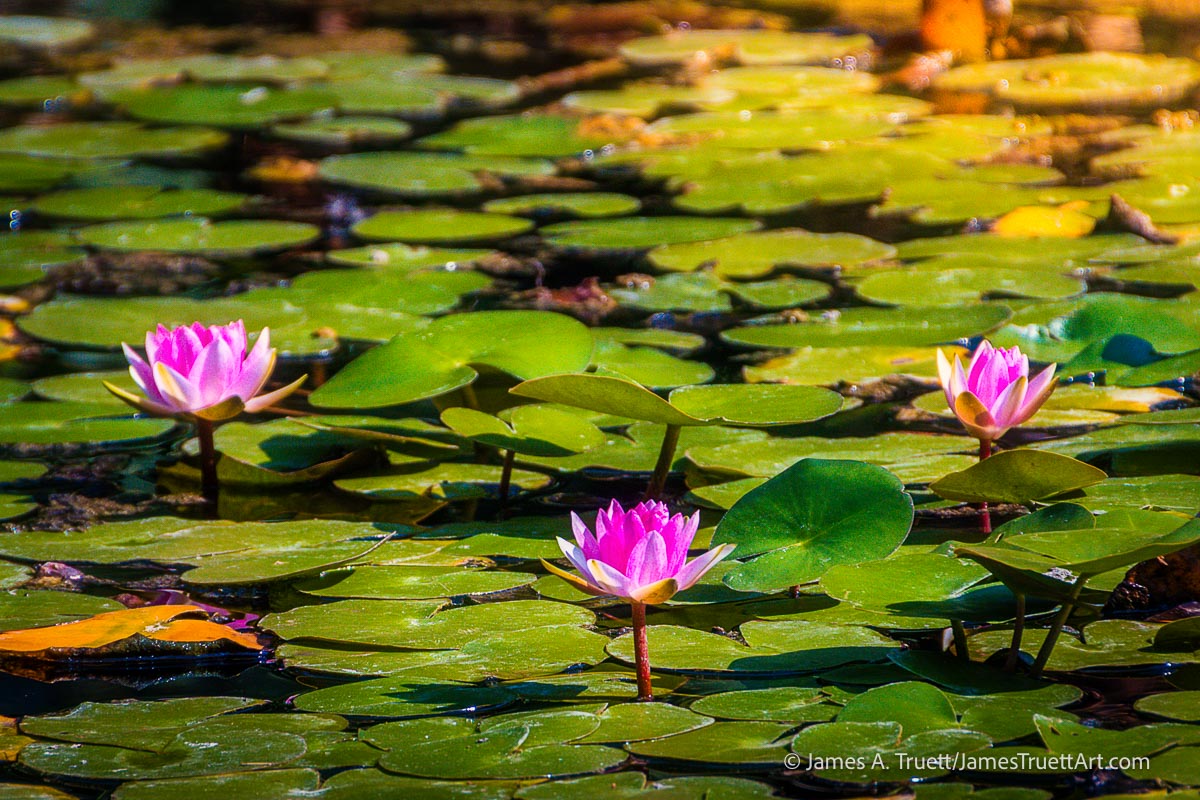
But I was just as interested in a carved doorway, a worn wall, a pocket of green and, most often, flowers.
I spent hours finding and photographing them. Blossoms softened stone and concrete, appearing beside railings, along pavements and in little gardens that gave the city room to breathe. I am not usually drawn to photographing crowds or collecting the standard views of a place. I would rather notice the quiet relationships that reveal themselves when no one is directing my attention.
That became my way into Budapest.
An Island of Quiet
One afternoon I crossed to Margaret Island and found the Japanese Garden near its northern end. Its paths, wooden bridge and gently moving water offered a different pace from the streets. The garden was simple, peaceful and full of colour.
I watched how the plants framed the water and how each carefully placed element left space for the next. The city had not disappeared; it was simply held at a distance.
Food provided another welcome. In a small restaurant below street level, I had my first authentic Hungarian meal: a satisfying bowl of goulash soup followed by chicken paprikash. Rich, warming and unpretentious, it was just right after a day spent walking. Everywhere I went, people were kind, giving the city a gentler character than its scale suggested.
The Shoes Beside the Danube
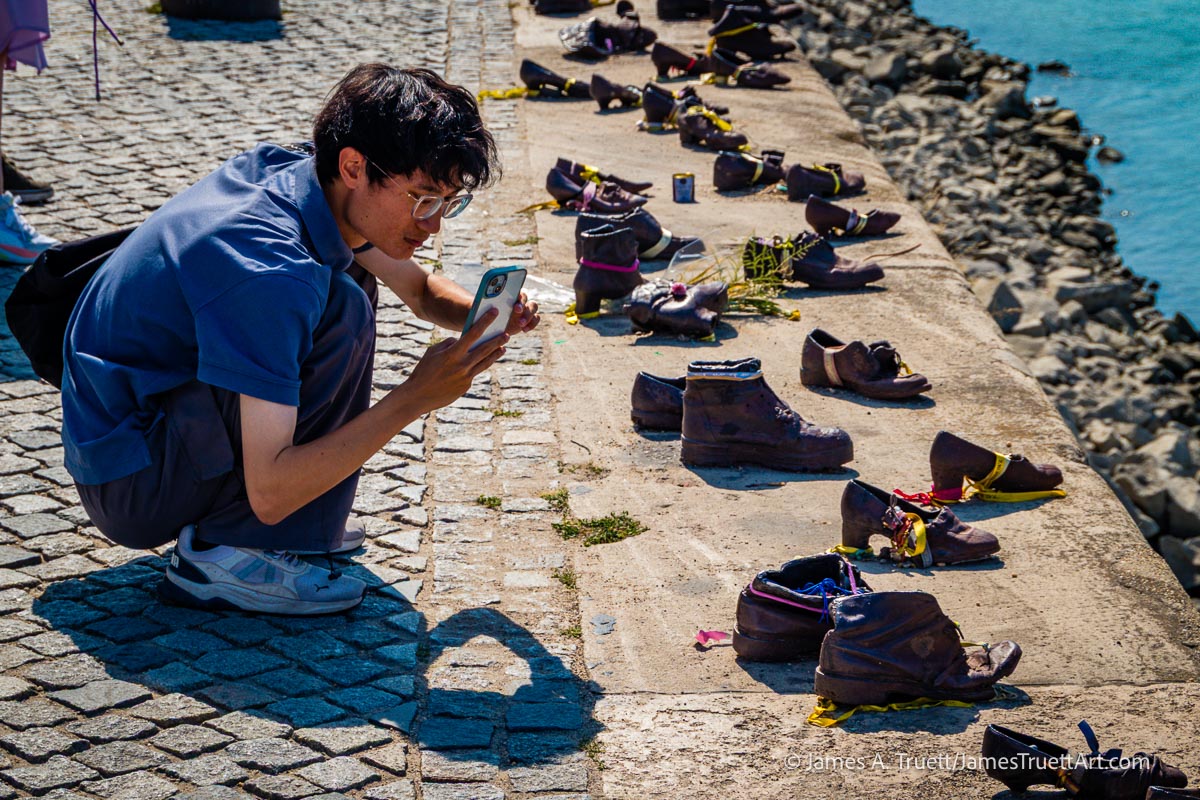
The most poignant moment of the visit came at the Shoes on the Danube Bank memorial, not far from Parliament.
Iron shoes are fixed at the river’s edge—men’s, women’s and children’s. They honour the people, many of them Jewish, who were forced to remove their footwear before being shot into the Danube by Arrow Cross militiamen in 1944 and 1945.
Nothing about the memorial is overstated. Shoes are ordinary, personal things. Empty beside the moving river, they make an immense crime suddenly individual. The Danube was no longer only the river that reflected the bridge lights outside my window. It also carried memory.
The experience changed the way I saw the city’s beauty. Beauty does not erase history, and looking for it should never mean looking away from sorrow. Paying attention asks us to hold both: the flowers and the iron shoes, the illuminated façades and the difficult truths beneath them.
Four Nights, and a Reason to Return
I had only four nights in Budapest, but the cancellation gave me time to wander without an agenda.
What stayed with me was not a checklist of landmarks. It was Parliament across dark water; the familiar feeling of sleeping aboard; paprika below street level; a quiet garden; flowers against architecture from several eras; and a row of iron shoes that asked me to stop.
Hungary has entered a new political chapter since that original invitation, which adds another reason to return. But the deeper pull is the city itself. Budapest reminded me that even in an unfamiliar urban landscape, beauty is rarely confined to the places we are told to look. It waits in contrasts, in small acts of care and in moments we nearly walk past.
I am glad I used the ticket.